Carnegie Mellon University Academic Excellence
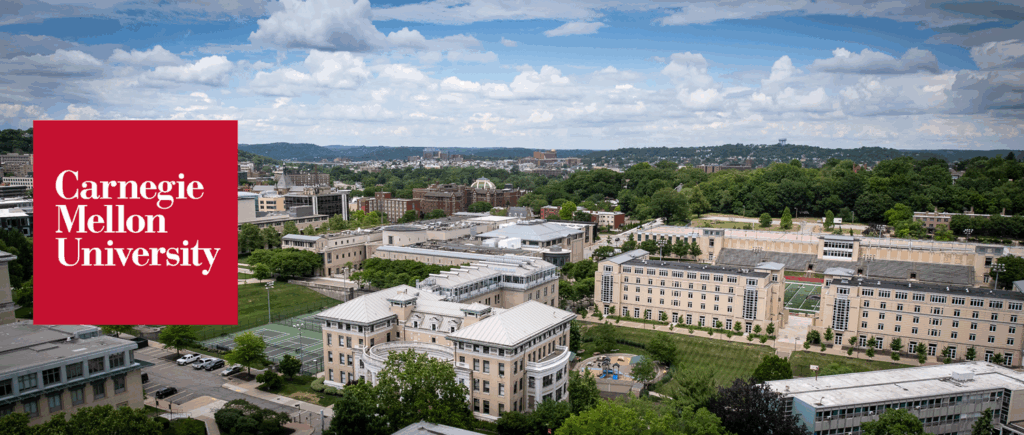
Carnegie Mellon University (CMU), located in Pittsburgh, Pennsylvania, is recognized globally for its rigorous academic programs, innovative research, and interdisciplinary approach to higher education. Established with a commitment to combining theoretical knowledge with practical application, CMU has become a hub for students seeking intellectual challenge, creative exploration, and real-world problem-solving. The university emphasizes not only academic excellence but also leadership, innovation, and societal impact, ensuring that its graduates are well-prepared to navigate the complexities of modern professional and research landscapes.
A Diverse Academic Structure
CMU’s academic environment is structured around seven distinctive colleges and schools, each offering specialized programs that cater to various interests and career paths.
The College of Fine Arts fosters creativity and artistic expression, offering programs in architecture, music, design, drama, and visual arts. Students here engage in both theoretical and practical projects, developing skills that combine innovation, technical mastery, and aesthetic sensitivity. This college emphasizes interdisciplinary collaboration, enabling students to work alongside peers in engineering, computer science, and business.
The School of Computer Science is internationally renowned for its cutting-edge programs in artificial intelligence, robotics, cybersecurity, and software engineering. Students gain hands-on experience in research labs, internships, and collaborative projects, equipping them with skills that are directly applicable to industry and academia. This school’s emphasis on innovation has produced alumni who are global leaders in technology and research.
The College of Engineering provides a comprehensive education across multiple disciplines, including mechanical, civil, electrical, and chemical engineering. The college prioritizes applied research, encouraging students to design, prototype, and implement solutions to real-world engineering problems. Interdisciplinary projects are common, integrating knowledge from computer science, business, and the sciences to solve complex challenges.
The Tepper School of Business combines business education with analytical and quantitative rigor. Programs in management, finance, and business analytics train students to make data-driven decisions and assume leadership roles in diverse industries. Tepper graduates are known for their strategic thinking, adaptability, and innovative problem-solving capabilities.
The Dietrich College of Humanities and Social Sciences focuses on the study of society, human behavior, and culture. Students develop critical thinking, communication, and ethical reasoning skills that are essential for leadership in both public and private sectors. The college encourages interdisciplinary exploration, integrating humanities and social sciences with technology, business, and the arts.
The Mellon College of Science emphasizes scientific inquiry and research excellence. Programs in biology, chemistry, physics, and mathematics provide students with rigorous training, fostering a deep understanding of fundamental scientific principles and the skills necessary for innovation. Undergraduate and graduate students alike are encouraged to participate in cutting-edge research, bridging theory and practice.
Finally, the Heinz College of Information Systems and Public Policy operates at the intersection of technology, policy, and management. Students learn to apply analytical tools and research methods to complex policy and organizational challenges, preparing for careers in both public service and private enterprise.
Interdisciplinary Learning
CMU is distinguished by its commitment to interdisciplinary education. Students are encouraged to transcend traditional academic boundaries and integrate knowledge across fields. Programs such as the BXA Intercollege Degree allow students to combine fine arts with science, technology, or business, fostering innovative thinking and problem-solving. This approach ensures that graduates are versatile, capable of adapting to evolving industries, and prepared to tackle multifaceted challenges.
Interdisciplinary initiatives at CMU also extend to research and collaboration. Students frequently work on projects that unite engineering, computer science, business, and the arts, promoting solutions that are creative, technically sound, and socially relevant. This blending of disciplines is a cornerstone of CMU’s educational philosophy, reinforcing the value of broad-based knowledge alongside specialized expertise.
Research Excellence
CMU’s research environment is a critical component of its academic identity. With over 100 research centers and labs, the university provides students with unparalleled opportunities to engage in cutting-edge projects. Faculty and students collaborate on initiatives ranging from sustainable technologies to healthcare innovation, artificial intelligence, and robotics.
Research at CMU is deeply integrated with education, ensuring that students gain both theoretical knowledge and practical experience. Undergraduate and graduate students contribute to publications, patents, and technological advancements, participating in projects that have real-world impact. This focus on research fosters curiosity, intellectual rigor, and the ability to translate ideas into actionable solutions.
Technological Integration in Education
CMU’s commitment to technology extends beyond research into the classroom. The university has pioneered initiatives that incorporate artificial intelligence and adaptive learning systems into education. These tools allow for personalized learning experiences, enabling students to progress at their own pace and master complex concepts more efficiently.
Programs integrating AI in teaching not only enhance learning outcomes but also prepare students for careers in technologically driven fields. By emphasizing technological fluency alongside critical thinking and creativity, CMU ensures that graduates are well-equipped for the demands of the modern workforce.
Professional Development and Career Preparation
CMU places a strong emphasis on professional development, providing students with internships, cooperative education programs, and industry collaborations. These opportunities allow students to apply their academic learning in practical settings, gain valuable experience, and build professional networks.
The university’s strong alumni network further supports career readiness. CMU graduates hold leadership positions worldwide in technology, business, research, and the arts. This network offers mentorship, guidance, and industry connections, helping students navigate their career paths and achieve long-term success.
Global Perspective and Diversity
Diversity and global awareness are central to CMU’s academic environment. The university attracts students from across the world, fostering a multicultural and inclusive learning community. Exposure to international perspectives enriches classroom discussions, encourages collaborative problem-solving, and prepares students for work in a globally interconnected world.
Through study abroad programs, international research collaborations, and diverse faculty expertise, CMU ensures that students develop both cultural competence and a global mindset. These experiences complement academic learning, equipping graduates with the interpersonal skills necessary for leadership and collaboration in diverse environments.
Lifelong Learning Opportunities
Education at CMU extends beyond traditional degree programs. The university offers continuing education, professional development, and pre-college programs that cultivate curiosity and intellectual growth. Initiatives such as the Summer Academy for Math and Science provide high school students with early exposure to advanced STEM topics, nurturing a passion for learning and innovation.
CMU’s emphasis on lifelong learning ensures that students and alumni alike continue to develop their skills, adapt to evolving industries, and contribute meaningfully to society throughout their careers. This commitment reflects the university’s holistic approach to education, blending academic rigor with personal and professional growth.
Conclusion
Carnegie Mellon University exemplifies academic excellence through its rigorous programs, interdisciplinary focus, innovative research, and commitment to student development. By combining theoretical knowledge with practical experience, CMU prepares graduates to lead, innovate, and make meaningful contributions to society. Its emphasis on diversity, technology integration, and global perspective further enhances the educational experience, ensuring that students are not only well-educated but also adaptable, creative, and socially responsible. CMU continues to set the standard for higher education, fostering a community where intellectual curiosity, collaboration, and innovation thrive.